Harley Handlebar Bushing Replacement
Motorcycle riser bushings are designed reduce flex and dampen out motor and road vibration. The factory ones work well, but they weaken over time.
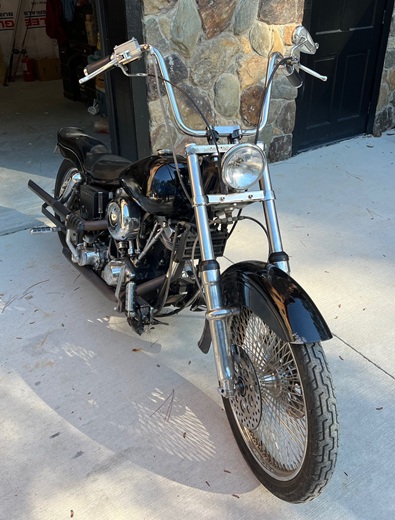
Worn-out bushings will allow the bars to flex while riding.
Handlebar Bushing Options
Whether you ride a Shovelhead, Ironhead, Softail or Bagger, you have four replacement choices: factory-style rubber, polyurethane, alloy/rubber combo, and solid mount steel.
NOTE: When you replace old, worn-out bushings, the difference will be huge, regardless of which style you decide on.
***************
Factory OEM (Rubber)
The one-piece rubber versions that your Harley left the factory with do a good job of stopping vibration from traveling into your hands. But they do wear out quicker than polyurethane ones.
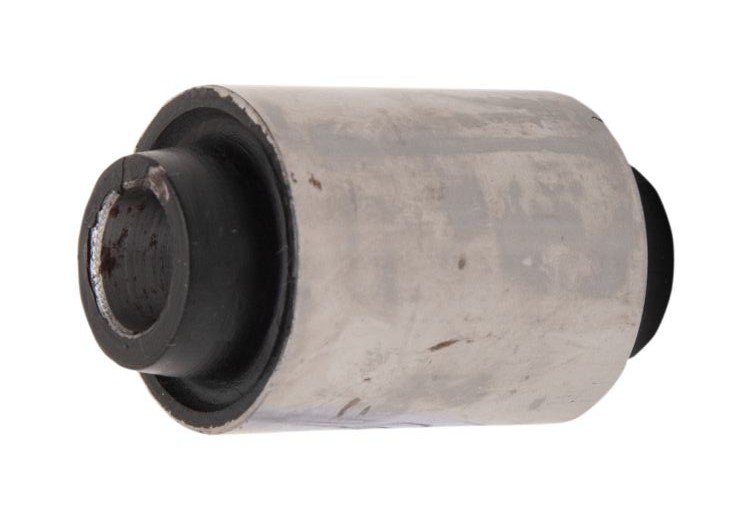
The bushing pictured above (H-D 56158-49) was original equipment on many classic Harleys, including 1949 through 1965 Panheads, 1966 through 1972 Shovelheads, 1958 through 1973 Servi-Cars, and 1954 through 1972 Sportsters.
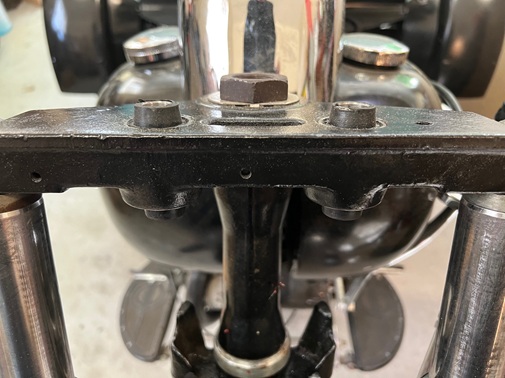
Pictured: 1961 Hydra-Glide top fork bracket.
***************
Polyurethane
During a handlebar swap, many riders upgrade from rubber to urethane.
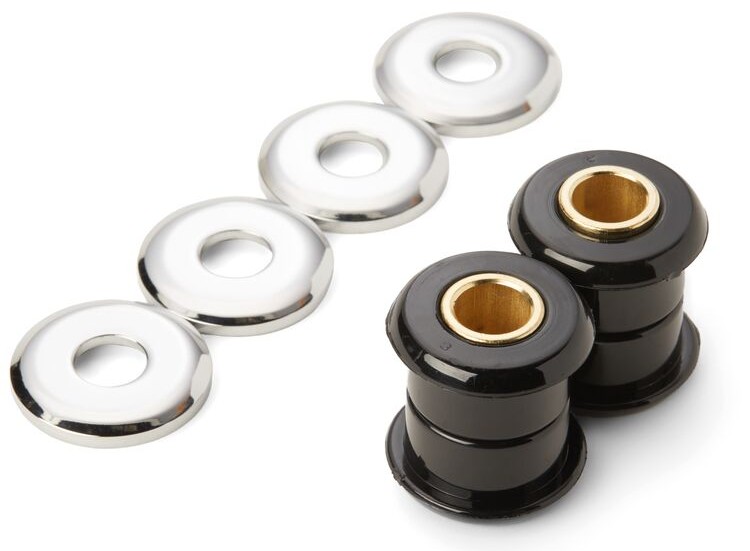
Shop: Two-Piece Urethane Bushings For Harleys
In addition to lasting longer than rubber ones, aftermarket companies claim a 20% increase in stiffness.
Arlen Ness claims their polyurethane bushings will increase stiffness by 28%.
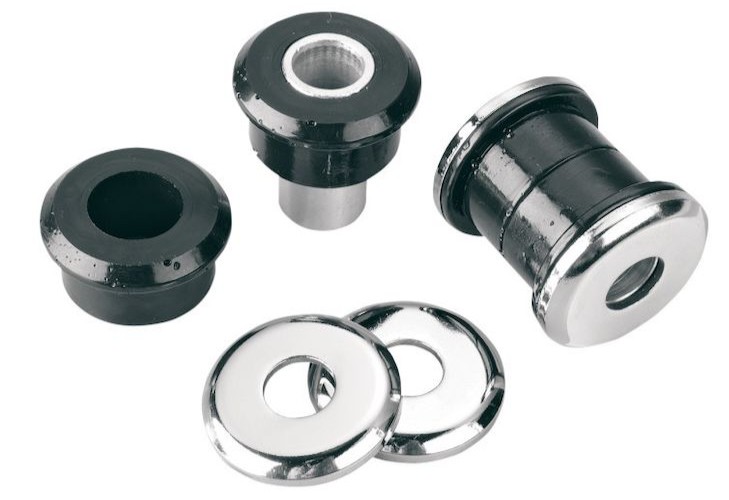
Shop: Arlen Ness Polyurethane Riser Bushing Kit
If you've added taller bars, these will firm them up.
***************
Gooden Tight
Here is a combination of aluminum and polyurethane components offering the better qualities of both.
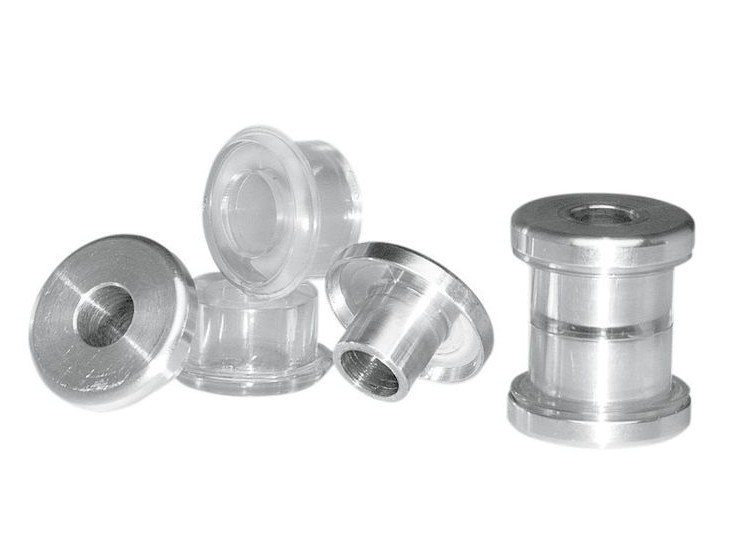
Shop: Gooden Tight Urethane Riser Bushings
NOTE: On a 2014 or newer touring models you'll need 1/4" longer riser bolts.

***************
Solid Mount
Designed for bikes with taller than stock risers or handlebars, solid mount bushings eliminate sloppy steering completely. Basically they are steel inserts that lock them down tight.
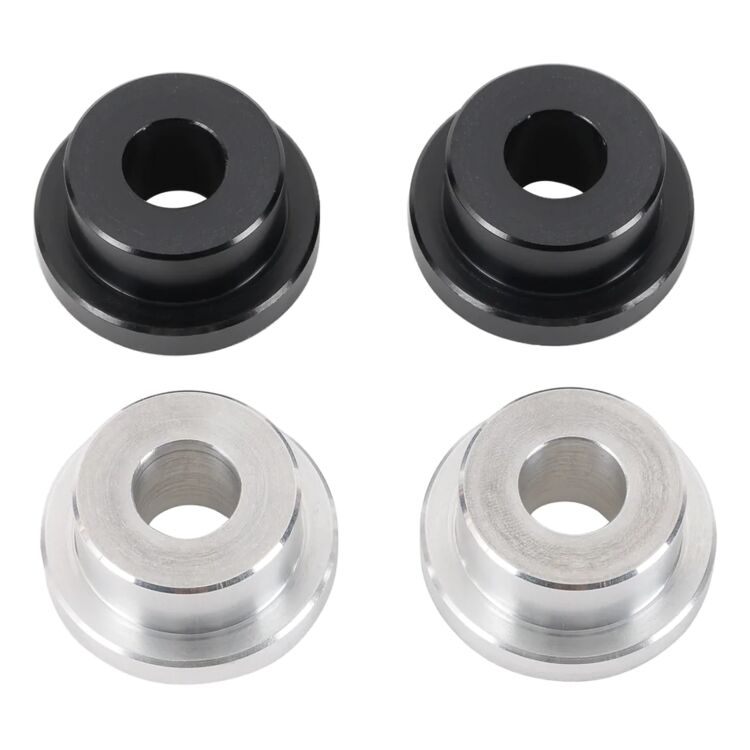
Shop: Solid Riser Bushing Kit For Harleys
Before you go this route, consider the trade-off--less flex but more vibration. You're giving up comfort for firmness. If you're riding at highway speeds for an hour or more, these can make it an unpleasant ride.
Installing Taller Bars
With handlebars above 8" over stock, you get an exaggerated amount of movement with factory rubber mounts.
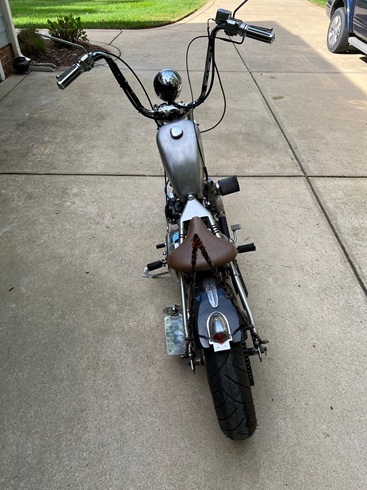
The taller you go, the more exaggerated it becomes.
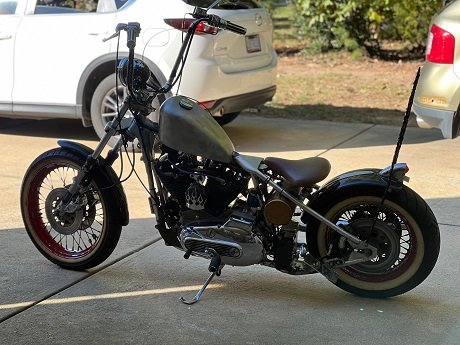
If you're running 12 or 14" apes (or taller!) solid mounting will make your bars stiff as they can be.
***************
Remove and Install Harley Handlebar Bushings
Getting to them requires removing hand controls (and fairing if so equipped), then loosening the riser bolts, and removing the old rubbers and sleeves.
You can try prying them out with a large screwdriver, but most can be knocked out with a mallet and suitably sized socket. With the original rubber style, use a socket that only puts force on the outer metal sleeve.
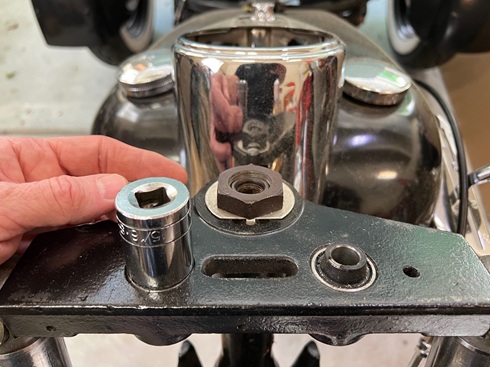
When installing, they should be a very tight fit. Be patient putting them on.
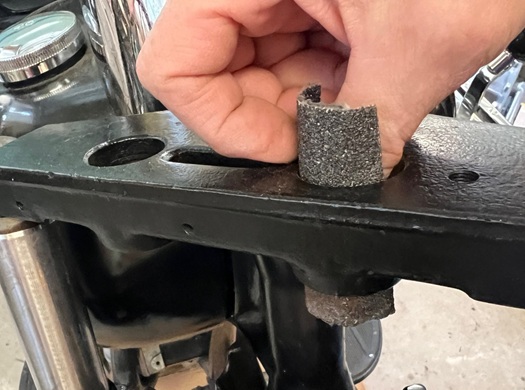
TIP: For an easier install, chamfer the top of the hole with Emory cloth, and sand the ID of the bore until it's smooth.
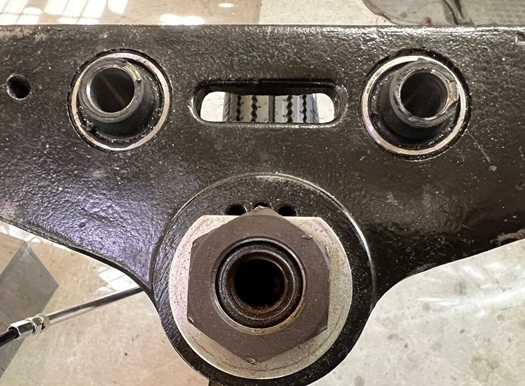
TIP: A lubricant spray (like WD40) will help the new one go in.
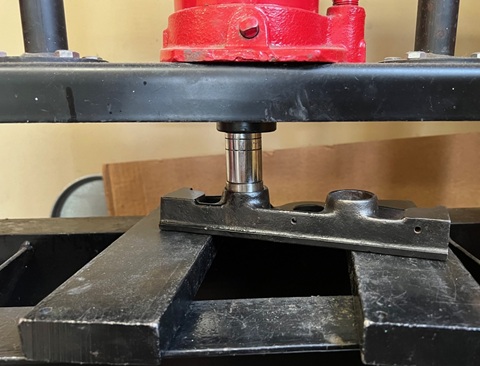
You can also press them in and out.
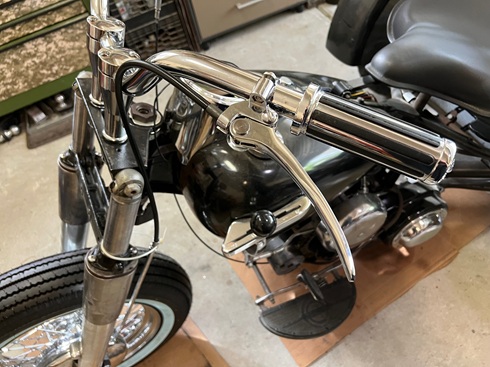
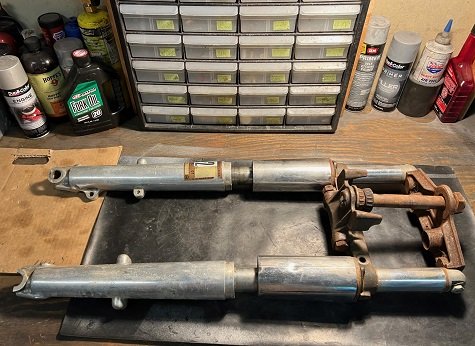
On this old Hydra Glide front end, the top tree came off without too much fuss. Then it was over to the hydraulic press.
***************
Notes and Misc
When swapping handlebars, many riders replace riser bushings at the same time.
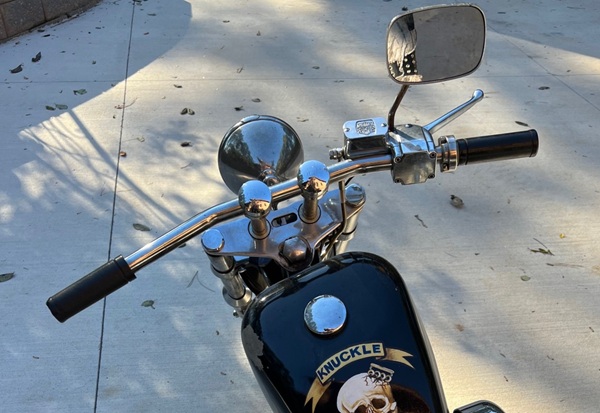
Sometimes new riser bushings are slightly taller, not allowing the bolt holes to line up. In that situation, you may need to remove one of the washers/spacers, or use longer riser bolts.
***************
Related Articles:
Road King Handlebar Adjustment
Wiring Through Handlebars
Hardtail Sportster Build
Install Gas Tank on Hardtail Frame
Girder Front Forks Overview