Bell Qualifier DLX Review
Article by Mark Trotta
After five years and 10,000 miles, I thought I could write a fair and honest review of my Bell Qualifier DLX helmet.
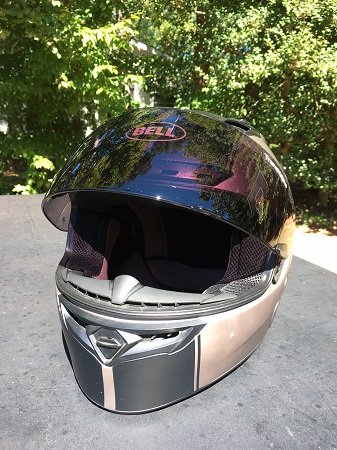
Above the SRT and Revolver Evo in the Bell full-face lineup, there is the Qualifier DLX, which features a polycarbonate shell, micro-fiber liner, multiple vents, and click-release shield.
The chin strap is the classic double D-ring fastener.
It's overall shape is designed to reduce lifting and buffeting at high speeds, and is offered in three shell sizes:
- Small: XS and SM Helmets
- Medium: MD and LG Helmets
- Large: XL and 2XL Helmets
Weighing in at three pounds and six ounces (size medium), the DLX is DOT and ECE certified and comes with a 5-year warranty. I've worn it through cold winter months and hot summer days, and even after two-hour rides, I've found it to be comfortable, with adequate ventilation and acceptable wind noise.
The Purchase
Back in 2018, I was shopping for a new helmet. My budget was $250. I stopped at seven places in and around the Raleigh NC area, and tried on many different types and brands.
My last stop was Cycle Gear. I liked the look and feel of the Shoei RF-SR, but it was over $100 more than the Bell.
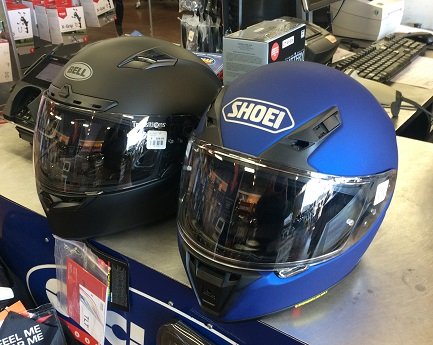
For the money, I felt the Qualifier DLX was the better deal.
Adaptive Face Shield
Included with my helmet was a Transitions adaptive face shield. The photochromatic visor is fully clear when it's dark, and fully tinted in bright light.
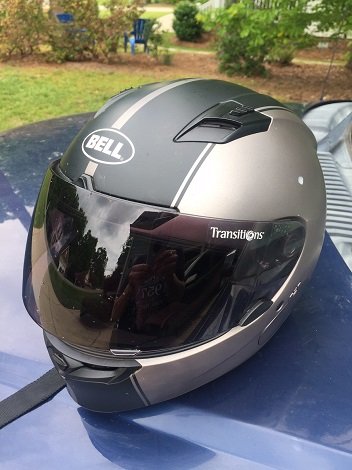
If you frequently ride evenings, an adaptive face shield is great to have.
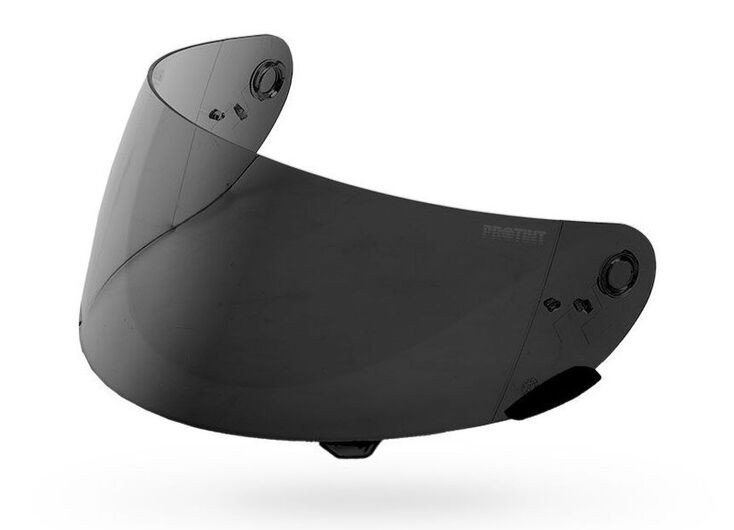
Click-Release Protint Adaptive Face Shield
Visor Mechanism
The 'ClickRelease' visor has three positions.
When I leave the house, the visor stays up until I'm ready to pull out onto a main road.
Once at highway speed, a quick motion with the left hand pulls down the shield completely down.
There is a position in the middle of the two; if you're traveling at less than highway speeds, it allows plenty of air into the helmet. This is particularly nice during hot summer days. Once you get to about 65-70 mph, the wind force will knock it shut.
Helmet Vents
Here in North Carolina, the helmet vents usually stay open from May until September. There are two upper and one lower, and also a brow vent, that most helmets in this price range don't have.
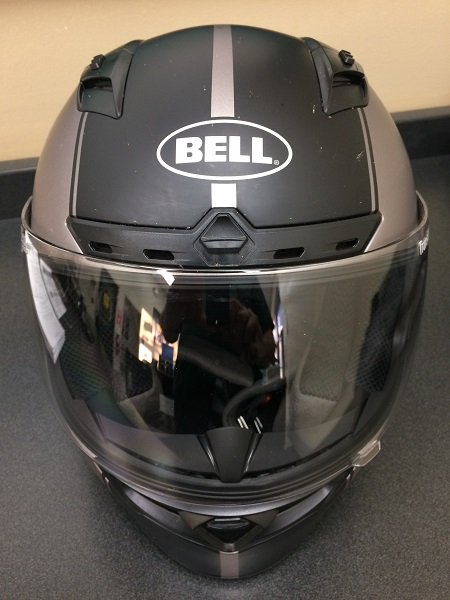
The two top vents allow air directly inside the helmet, and operate independently from each other. The lower chin vents brings air into the helmet through two vertical ports in the chin bar. There are four exhaust ports.
Helmet Interior
The Qualifier features washable and removable cheek pads that you can snap in or out. I find the helmet to be well-padded and comfortable.
Wind Noise
Concerning the noise level, of course there's wind noise, it's part of riding a motorcycle. That being said, reviews show that the Qualifier DLX is not the noisiest helmet on the market, but it's not the quietest. There is a padded wind collar that helps reduce wind and road noise. To me, the wind noise is acceptable.
******************
MIPS Qualifier
The Bell Qualifier DLX Mips DMC features a polycarbonate layer that sits between the helmet padding and the EPS (expanded polystyrene) layer, which offers additional protection against concussions and brain injuries. Also available in three shell sizes.
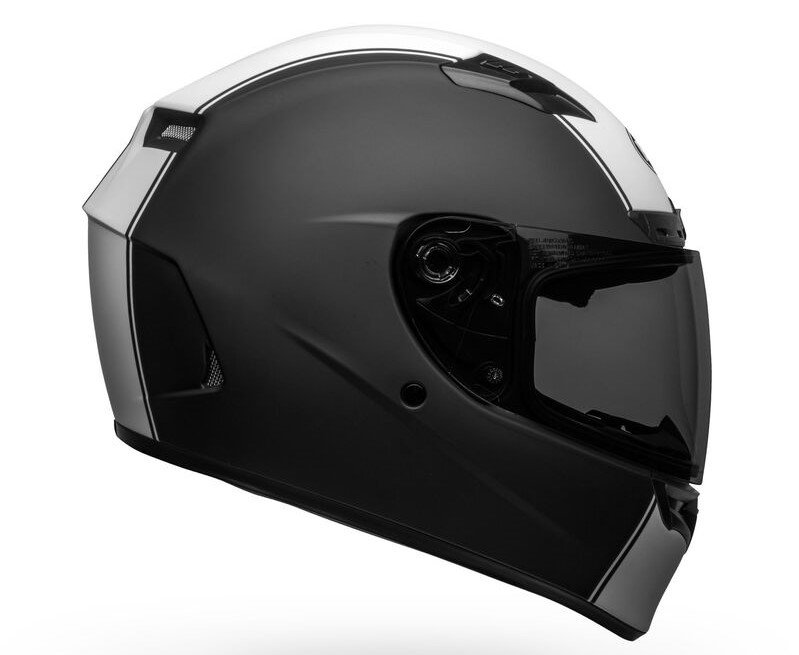
MIPS is an acronym for Multi-directional Impact Protection System.
******************
Blue Tooth and Intercom
Both Qualifier helmets (standard and MIPS-equipped) have integrated speaker pockets and accept Bluetooth stereo headset and intercom systems. There's a removable panel on the side of the helmet. Adaptors are not included and need to be purchased separately.
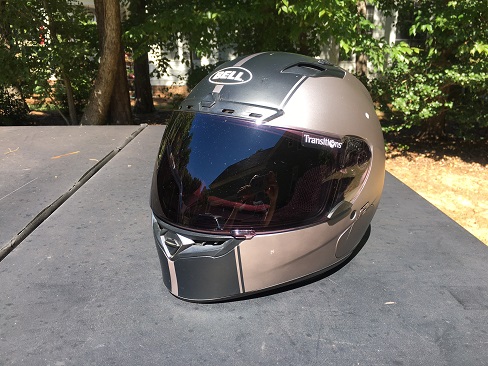
Shop: Bell Qualifier DLX Full-Face Helmet
******************
Notes and Misc
Before every ride, I clean the shield and outer shell with liquid soap and water, usually in the kitchen sink with slow running water. No rough scrubbing, just gentle wiping.
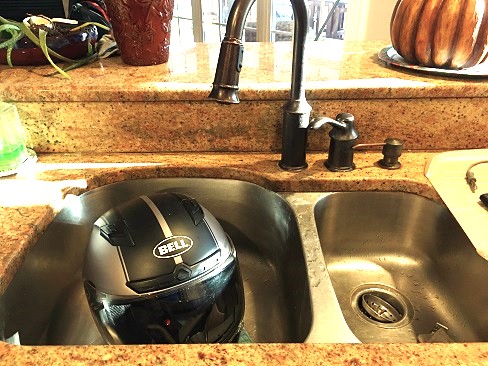
Close the vents first!
To help keep my helmet clean and odor-free, I wear a bandana. It prevents my hair or sweat from affecting the helmet liner.
It's All About The Fit
The best motorcycle helmet in the world is worthless if it doesn't fit your head right.
Here's a short video on How To Measure Helmet Size.
******************
Related Articles: